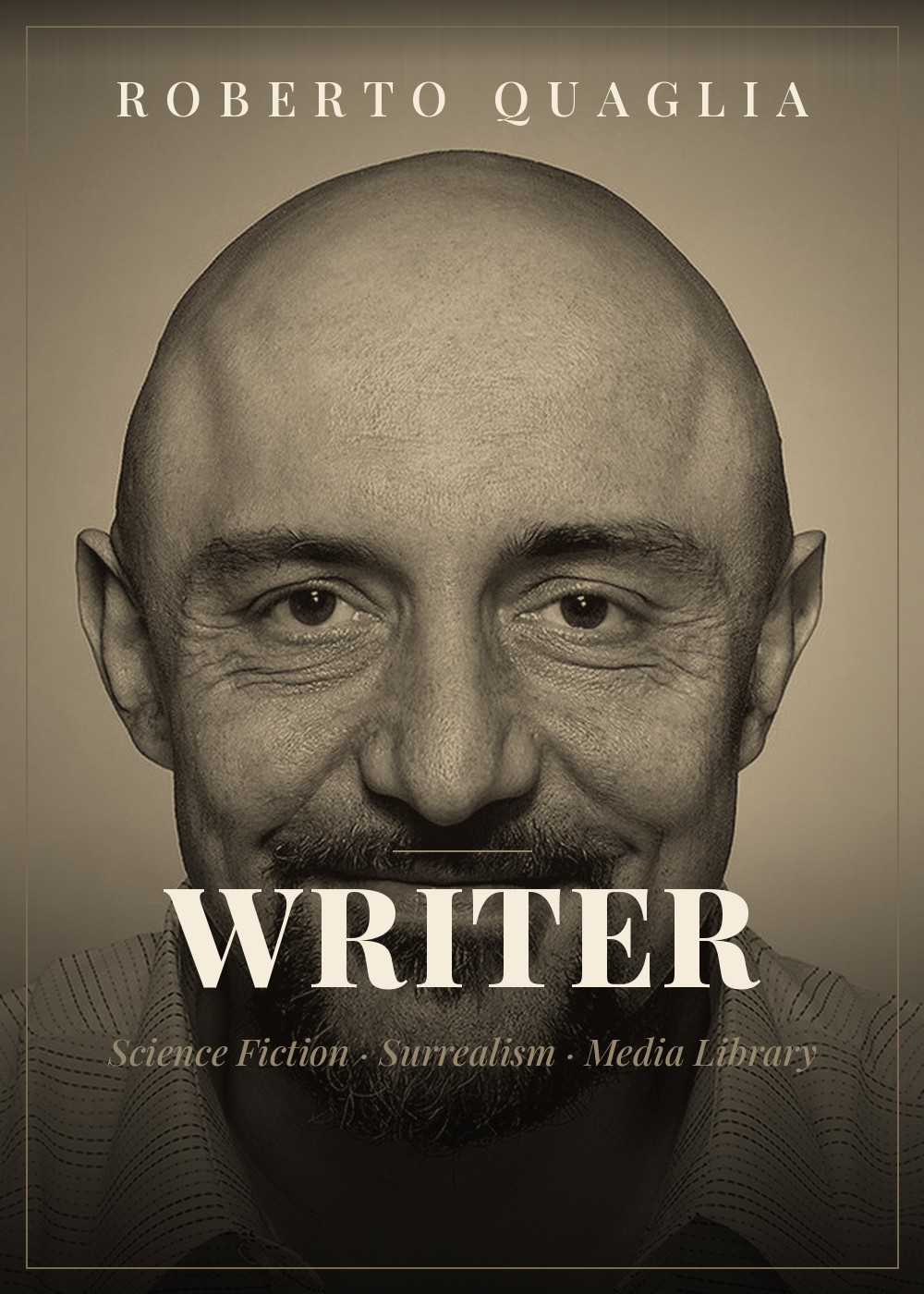
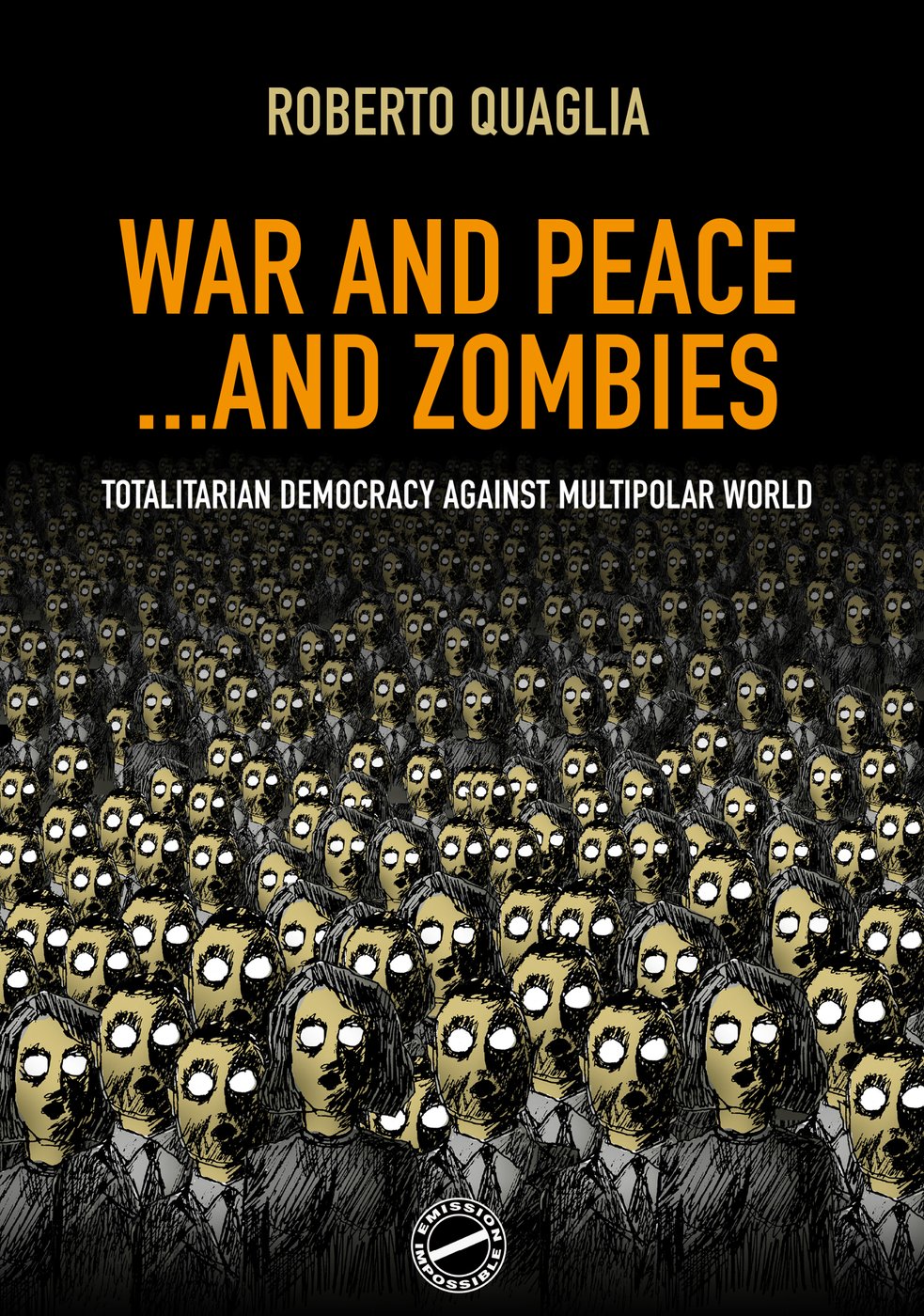
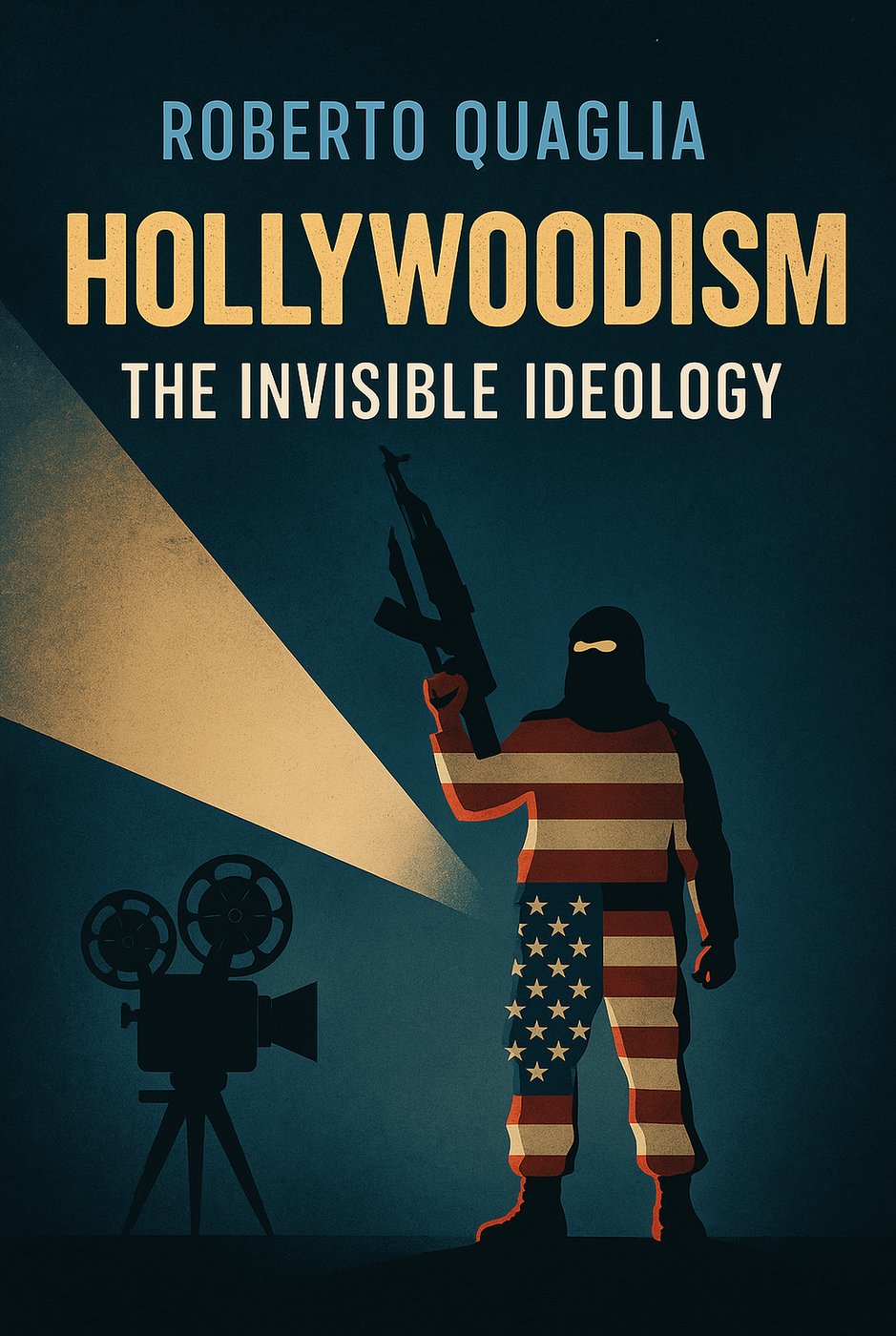
It is not true that I am a writer. There are long periods of my life in which I do not think about writing books at all and almost forget I have written them. Yet every now and then something difficult to understand happens that nails me to a keyboard (originally it was a notebook and a pen) until a work, perhaps precisely a book, springs from it. Just like children, it rarely resembles the initial project. In the long run, you realise that, as you grow old, among the many debris you have also left behind a pile of books and you tell yourself it could have been worse. Aldous Huxley divided writers into two categories: born writers, like Thomas Mann, able to make everything they write seem monumental and almost inevitable, and writers who struggle with ideas and write with visible effort, forced to do so by ideas more than by talent; Huxley recognised himself in the second category. If I convinced myself I were a writer, I would do the same. In any case, in the end you resign yourself to people mistaking you for a writer even when much of the time you do not write at all. And in this case too, it could have been worse.
This does not mean I can introduce myself. The writer should ideally forget himself and his own works, being inscrutably only a vector of the ideas that wander through the morphogenetic fields of the universe in search of some outlet to manifest themselves. So, to have someone tell you who I might be, I have charged the insistent oracle of our days, the so-called Artificial Intelligence, to illustrate it to you in a few sentences. I chose Grok because — not everyone knows this — it bears the name that derives from the verb «to grok» invented by Robert Heinlein in his masterpiece novel «Stranger in a Strange Land». Here then below is what Grok, the oracle of X, answered me when I asked it who I am, with the instruction to focus on the literary aspects. If you do not believe it (I would not blame you, I had trouble believing it too) I saved the screenshot of Grok's reply:
Roberto Quaglia is an Italian writer of science fiction and surrealism, born in Genoa in May 1962. His narrative work stands out for its stylistic originality, iconoclastic tone and the ability to blend science-fictional speculation with surreal humour, existential paradoxes and a sharp vision of contemporary reality.
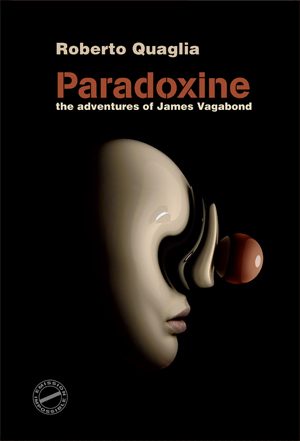
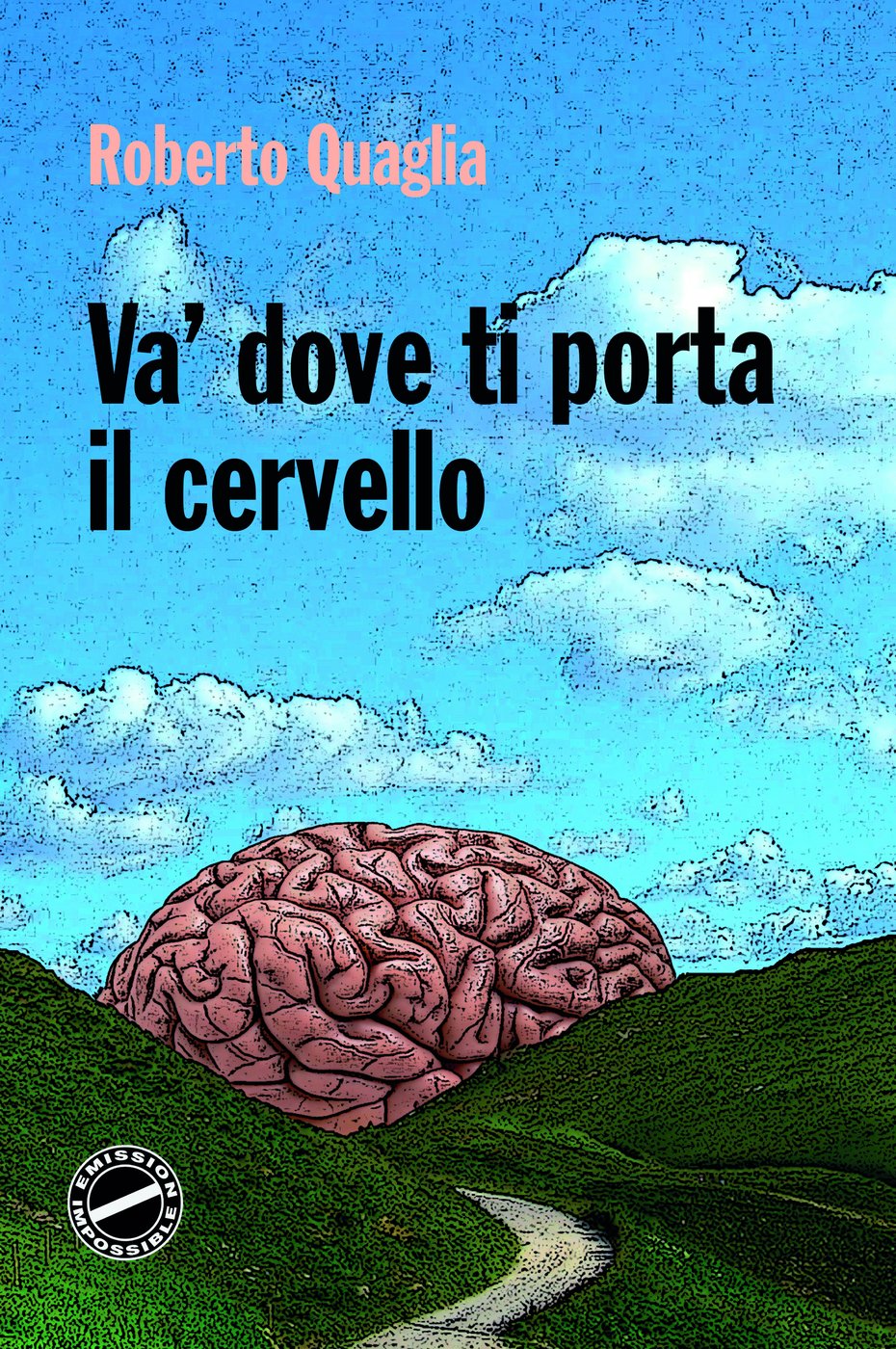
Since the Nineties his output has developed in a coherent and international way. He published novels and short stories initially in Romania, where he obtained significant recognition, then saw his works translated into English and, more recently, into Italian. Among the main titles are «The Vagabond of the Ether» (Romanian edition 1994, Italian 2021), «Bread, Butter and Paradoxine» (Romanian edition 1999, with subsequent English versions and Italian) and «Go Where Your Brain Takes You» (2020). These works narrate surreal and picaresque adventures that call into question narrative and social conventions, with a style that mixes lightness and philosophical depth.
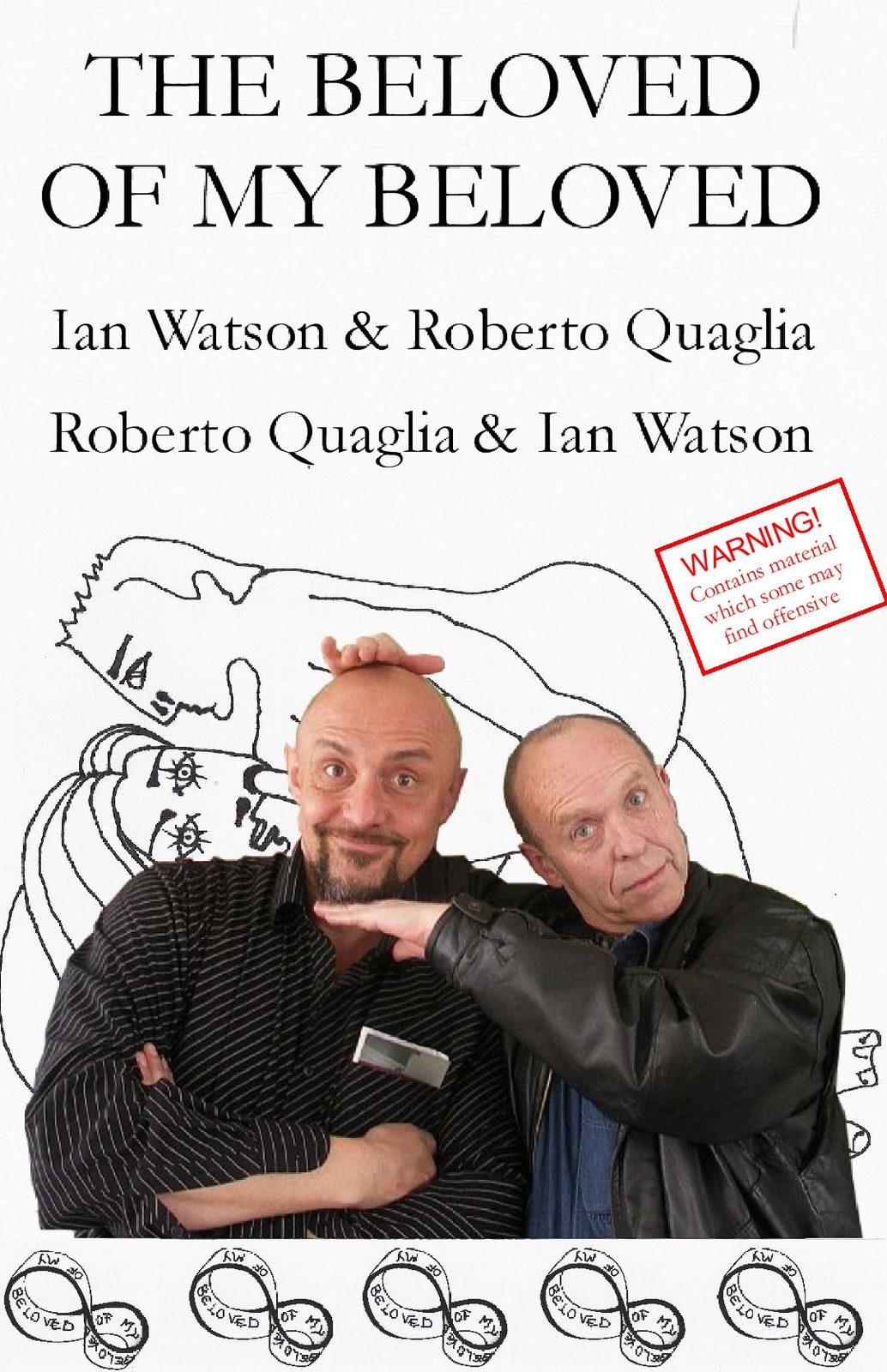
Particularly relevant is his collaboration with the British writer Ian Watson, culminating in the short-story collection «The Beloved of My Beloved» (2009). The stories in this anthology were published in prestigious magazines such as Weird Tales, Clarkesworld Magazine and in the Mammoth Book of Best New Erotica anthologies. One of them earned Quaglia the BSFA Award for best short story, an award conferred by the British Science Fiction Association: he is the only Italian writer to have obtained it.
Quaglia also maintained a long relationship of friendship and confrontation with Robert Sheckley, a reference figure of American humorous science fiction, and contributed to Italian magazines in the field such as Futuro Europa and Delos, where for years he kept the column Pensiero stocastico. His short works and novels have been translated into numerous languages (English, Romanian, Russian, Spanish, French, Japanese, Czech, Hungarian and Dutch), confirming a reception that goes beyond national borders. Alongside his literary activity, Quaglia plays a role as a cultural and geopolitical analyst, appearing in podcasts and television programmes on current affairs with an independent and documented approach. This dimension, however, does not overshadow the core of his creative identity, which remains firmly anchored to genre fiction, surreal experimentation and the ability to question the present through fantastic lenses.
Roberto Quaglia's writing is characterised by a rare balance between intellectual entertainment, conceptual rigour and expressive freedom, placing him among the most personal and internationally recognised voices of contemporary Italian science fiction.
— Grok, the oracle of X
Since Grok is an AI, it seems a good idea to attach below also the biography that my friend Ian Watson wrote of me some lustra ago to insert it in an anthology with our four-handed works. Also because it was Ian Watson the original father of AI — understood here in the sense of the title of Spielberg's homonymous 2001 film, A.I., of which Watson had precisely written the story. But let us take the misunderstanding as a cue to go to the biographical doubling, so that a different picture emerges, which reminds us that in truth all biographies are false or, at best, mere impressionistic sketches.
Like Christopher Columbus, Roberto Quaglia rains down on Genoa — the city from which he had practised the trades of barman and town councillor before becoming an explorer: in his case, of Eastern Europe and Surrealism. He is now at home in Bucharest. Robert Sheckley lived several times with Roberto in Italy and Romania, and even in Roberto's big old white Mercedes, going so far as to write a preface to his double novel of surreal and satirical science fiction «Bread, Butter and Paradoxine». Roberto and Ian began collaborating on a series of stories entitled «My Beloved» in 2003, in a mysteriously deserted hotel on a wooded hill on the border between Hungary and Slovakia. A former award-winning photographer, Roberto continues to take thousands of photos. His uncle lives in Munich, and so he must speak to him in German; but learning Romanian destroyed his French — so it is just as well he has no uncle in Paris.
— Ian Watson